 New safety regulations imposed by Ministry of Manpower (MOM) for engineers in Singapore.



What to Check Before Ordering Rockwool Insulation
Rockwool insulation is commonly used in industrial, commercial, and building applications where thermal insulation, fire resistance, acoustic control, and energy efficiency are important. However, before placing an order, buyers should check a few key details to make sure the material is suitable for the actual project requirements.
Choosing the right rockwool insulation is not only about selecting the size or price. Thickness, density, operating temperature, application area, and installation conditions can all affect performance. For buyers sourcing rockwool Singapore products, confirming these details early can help avoid wrong specifications, delays, or material wastage.
1. Check the Required Thickness
Thickness is one of the first things to confirm before ordering rockwool insulation. The required thickness usually depends on the application, insulation target, and project specification.
For example, thinner rockwool slabs may be suitable for certain partition, wall, or general insulation works, while thicker slabs may be required for higher thermal resistance or industrial applications. Common thickness options include 25mm and 50mm, depending on the supplier and project needs.
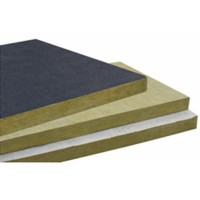
If your project requires slab-type insulation, you can refer to Jereco Singapore’s rockwool insulation slab 25mm and 50mm page for product enquiry and supply information.
2. Confirm the Density Requirement
Density affects the strength, rigidity, acoustic performance, and thermal behaviour of rockwool insulation. Higher-density rockwool may offer better firmness and durability for certain industrial or mechanical insulation applications, while lower-density options may be suitable for general insulation use.
Before ordering, check whether the project specification mentions a required density. This is especially important for contractors, engineers, or procurement teams working on building services, plant rooms, HVAC systems, or other industrial insulation Singapore applications.
When sending an enquiry, it is helpful to include the required density together with the thickness and quantity.
3. Review the Operating Temperature
Rockwool insulation is often selected because it can handle high-temperature environments. However, not all insulation materials are suitable for every temperature range.
Before purchasing, confirm the operating temperature of the system or area where the insulation will be installed. This is especially important for pipes, ducts, tanks, equipment, exhaust systems, and industrial facilities.
Buyers should check the normal operating temperature, maximum temperature exposure, whether the insulation is for hot or cold application, and whether additional facing or jacketing is required.
Providing these details allows the supplier to recommend a more suitable rockwool insulation product for the application.
4. Identify the Application Area
The correct rockwool insulation product may depend on where it will be used. Rockwool slabs, rolls, boards, and pipe sections may serve different purposes.
Common application areas include wall insulation, ceiling insulation, partition insulation, HVAC duct insulation, pipe insulation, equipment insulation, acoustic insulation, fire-rated insulation systems, and industrial plant insulation.
For project buyers, identifying the actual installation area helps ensure that the selected insulation product matches the site condition and performance requirement.
5. Check If Facing or Additional Covering Is Needed
Some rockwool insulation applications may require facing or protective covering. This can depend on the environment, moisture exposure, installation method, and finishing requirement.
For example, insulation installed in mechanical or industrial areas may need additional protection from moisture, dust, impact, or external exposure. In some cases, aluminium foil facing, cladding, wire mesh, or other insulation accessories may be required.
Before ordering, check whether your project requires plain rockwool slab, foil-faced rockwool, wired rockwool, protective cladding, vapour barrier, or acoustic and fire-rated finishing.
6. Estimate the Required Quantity
Incorrect quantity estimation can cause project delays or unnecessary excess stock. Before ordering, calculate the area or length that needs to be insulated.
For slab insulation, you may need to confirm the total square metres required, slab size, thickness, wastage allowance, number of packs or pieces required, and delivery schedule.
For industrial projects, it is also useful to check whether materials need to be delivered in phases or supplied according to installation progress.
7. Check Project Standards and Specifications
Some projects may require insulation materials to meet specific standards, performance ratings, or consultant specifications. Before confirming an order, review the technical requirements carefully.
This may include thermal conductivity, fire resistance requirement, acoustic performance, density, thickness, facing type, temperature rating, and compliance with project drawings or specifications.
For industrial insulation Singapore projects, these details are especially important because insulation performance can affect safety, energy efficiency, and long-term operation.
8. Consider Site Conditions
The installation environment can affect the type of rockwool insulation required. Indoor, outdoor, dry, humid, concealed, and exposed areas may require different insulation finishes or protection.
Before ordering, consider whether the insulation will be installed indoors or outdoors, whether it will be exposed to moisture, whether the area is subject to vibration or movement, whether mechanical protection is required, and whether there is limited installation space.
These details can help determine whether standard rockwool slab is sufficient or whether additional materials are needed.
9. Check Supplier Availability in Singapore
For buyers looking for rockwool Singapore suppliers, availability is an important factor. Project timelines may require quick delivery or specific stock sizes.
Before placing an order, check the available thickness options, available density options, minimum order quantity, lead time, delivery arrangement, and product documentation if required.
Working with a local supplier such as Jereco Singapore can help simplify enquiry, coordination, and delivery for Singapore-based projects.
10. Prepare Complete Enquiry Details
To get a faster and more accurate quotation, buyers should prepare the necessary information before contacting a supplier.
A complete rockwool insulation enquiry should include the required thickness, required density, quantity, application area, operating temperature, facing or covering requirement, delivery location, project timeline, and any technical specification or drawing.
Providing these details helps the supplier recommend the correct product and avoid repeated clarification.
Order Rockwool Insulation for Your Project
Before ordering rockwool insulation, it is important to check the thickness, density, operating temperature, application area, quantity, and project requirements. These details help ensure that the insulation material is suitable for the intended use and supports better project performance.
For buyers sourcing rockwool insulation in Singapore, Jereco supplies insulation products for industrial, commercial, and project applications.
For product availability, specifications, and supply enquiries, please contact Jereco Singapore.

Note: HTML is not translated!