 New safety regulations imposed by Ministry of Manpower (MOM) for engineers in Singapore.



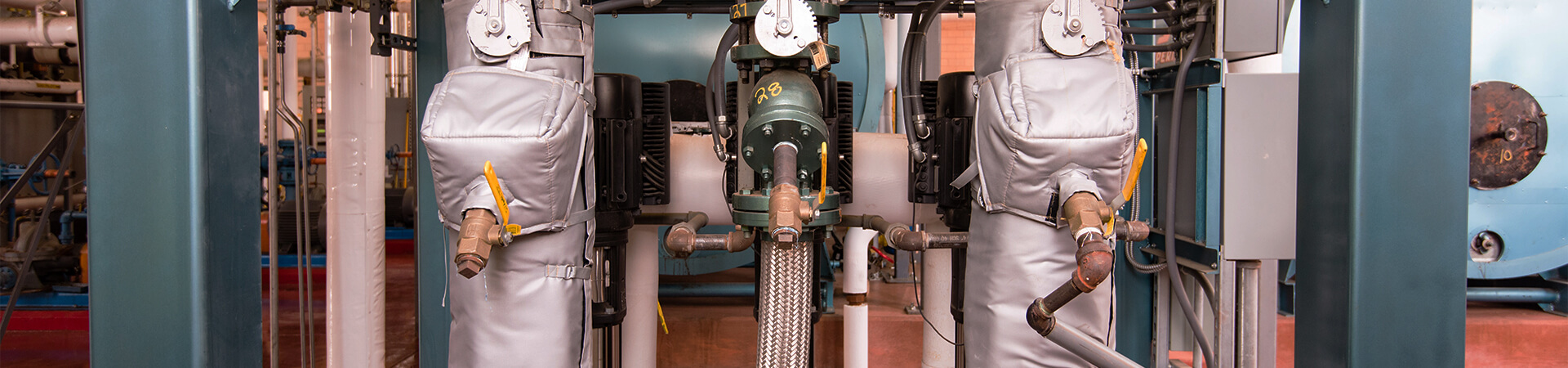
Rockwool insulation is commonly used in industrial, commercial, and building applications where thermal insulation, fire resistance, acoustic control, and energy efficiency are important. However, before placing an order, buyers should check a few key details to make sure the material is suitable for the actual project requirements.
Choosing the right rockwool insulation is not only about selecting the size or price. Thickness, density, operating temperature, application area, and installation conditions can all affect performance. For buyers sourcing rockwool Singapore products, confirming these details early can help avoid wrong specifications, delays, or material wastage.
Choosing insulation for an industrial project is never just about filling a specification line. The right material affects thermal efficiency, fire protection, acoustic control, maintenance planning, and long-term operating cost. For many industrial applications in Singapore, rockwool insulation is a practical and dependable option because it offers a strong balance of thermal, fire, and sound performance.
If you are sourcing rockwool Singapore products for a plant, warehouse, utility area, process facility, or commercial building-services project, the key is to choose the product based on application, not price alone. A lower-cost option may look attractive at quotation stage, but if it does not suit the substrate, temperature range, or performance requirement, it can create more cost later through poor efficiency, rework, or shorter service life.
Introduce rivets in general and their importance in industrial fastening. Discuss aluminium vs stainless steel rivets highlighting the strength, durability and corrosion resistance abilities of stainless steel blind rivets.