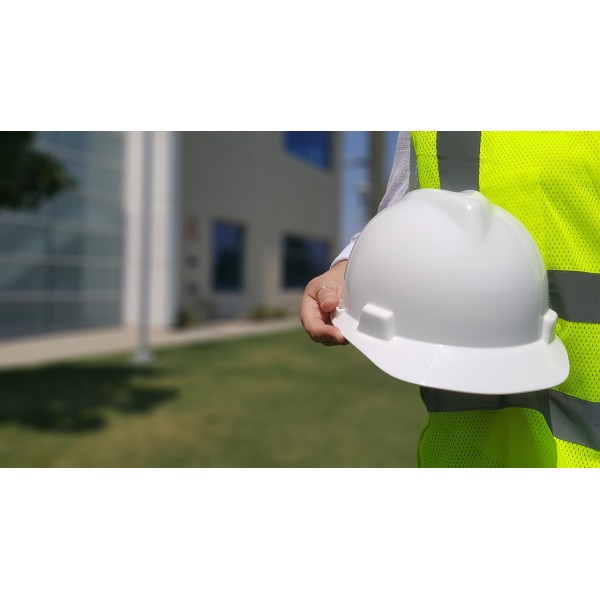
 New safety regulations imposed by Ministry of Manpower (MOM) for engineers in Singapore.



Weatherproof Jacketing: Features & Benefits
Weatherproof jacketing is an outer layer that is placed over a pipe or tube insulation to protect it from mechanical harm, moisture, and wear. In order for mechanical insulation to be productive and effective, insulation jacketing or weatherproof cladding is essentially recommended.
So, what makes a good weatherproof jacket? The mechanical, chemical, temperature, and moisture characteristics of the installation, as well as the need for affordability and aesthetics, must all be well taken into account when choosing a weatherproof jacketing. Read on to find out more about the features and benefits of such installations.
Weatherproof Jacketing: Their Function
Insulation is almost never a standalone item. The insulation material is a component of a system that includes insulation, securement, a vapor barrier (in the case of low-temperature applications), and an exterior layer known as the cover, jacket, or lagging.
Each component is critical to the overall operation of the system. The principal barrier to the passage of energy is the insulation material itself, while the securement holds the insulation in place. The vapor barrier's job is to prevent moisture from entering the insulation. The outer covering, known as jacketing, is the most versatile component of the insulation system. It serves several purposes, including shielding the insulation from mechanical and weather damage, providing extra support to the system, limiting moisture infiltration, and determining the emissivity and maintaining the aesthetics of the system.
Weatherproof Jacketing: Materials and Features
Metal sheets such as those made of Aluminium, stainless steel, coated steel, aluminized steel, galvanized steel, and zinc galvanized steel are some of the materials used to make metal weatherproof jacketing.
Stainless Steel
The most popular insulation weather-proof jacketing material is stainless steel. In chemical factories, stainless steel is frequently used to shield the underlying insulation and pipes from corrosive vapors, leaked chemicals, and other environmental factors. Because stainless steel melts at a much higher temperature when compared with other materials, it will stay in place for a much longer period. Stainless steel is also used in situations where there is a risk of fire.
Aluminium
A lot of metal insulation jacketing is made with Aluminium sheets. Aluminium has good corrosion resistance and is lightweight. The material's surface finish options include corrugated, embossed, and smooth. Although easier to clean and more beautiful, smooth coatings tend to exhibit more surface deterioration than embossed coatings. On the other hand, embossed coatings are more prone to hold contamination than smooth surfaces. Therefore, when choosing the material and the finishes, it is essential that you consider your operational environment and mechanical requirements and seek the opinion of an insulation expert.
Zinc Galvanized
Zinc-galvanized is another option available when it comes to weatherproof Jacketing. However, as it has a low thermal resistance, it may not be a suitable option for heat insulation. Also in case of a fire, there’s a higher chance that the membrane may melt and, as a result, the adjacent stainless steel surfaces may become metal embrittled.
PVC
The most widely used plastic jacketing material is PVC. They serve well when your insulation work requires added protection from unpredictable weather. UV-resistant plastic may be chosen to preserve and protect your insulation from natural elements like moisture, rain, wind, snow, and UV rays.
Foil Film Laminates
Foil-film laminates, like Aluminum Service Jacketing (ASJ), combine a plastic film's vapor and chemical resistance with the mechanical wear, heat, and tear resistance of aluminum. This is further strengthened by the addition of a layer of reinforcing fiberglass scrim using Foil Scrim Polyethylene (FSP) laminate. Frequently, the foil laminates are already affixed to the insulation jacketing’s outer layer.
Fiberglass/ Silicone Coated Fiberglass
In some applications with harsher weather conditions, fiberglass cloth or silicone-coated fiberglass jacketing is also used. Multi-ply laminates, fiberglass-reinforced plastic panels, or laminates made of synthetic rubber are utilized in some situations where greater standards of cleanliness, hygiene, sanitation, or waterproofing are required.
Fabric
Breathable, waterproof fabric can also be used as jacketing for insulation. The benefit of fabrics is their ability to cover intricate geometries, flexibility, and reusability. However, when compared with other materials, and especially metal weatherproof jackets, they have a reduced durability.
Weatherproof Jacketing at Jereco
Weatherproof Jacketing is essential to preserving the integrity of the insulation system in industrial insulation projects, particularly mechanical pipe applications. When you choose Jereco Singapore PTE Limited as your insulation partner, we ensure that all your insulation jacketing requirements are met to the highest industry standards. As Singapore’s leading insulation partner for many onshore and offshore marine insulation projects, we have nearly two decades of industry experience handling a multitude of clients in different industries. Every project we undertake is closely monitored to completion and beyond. Whether it is specialized technical consultation, one-stop insulation installation, maintenance and repair, dedicated insulation project management, or performing non-destructive testing for clients you are looking for, we have got you covered. Contact us for all your mechanical and commercial insulation needs today.